




What Is a Tiller and How Does It Work

A tiller is a powerful tool that helps you break up and loosen soil. You use a tiller to prepare the ground for planting, landscaping, or even construction. When you work the soil with a tiller, you give roots space to grow and allow water to reach deeper layers. Many gardeners and farmers rely on a tiller because it can improve plant health and crop yield.
- Farmers have seen yields increase by up to $356 per acre with better soil health practices.
- Almond growers have reported gains of over $1,000 per acre from improved soil conditions.
- Long-term studies show that using a tiller can help soybeans and other crops grow better over time.
A tiller makes your soil ready for seeds and helps you get the most from your land.
Key Takeaways
-
A tiller gets soil ready for planting. It breaks up hard ground and mixes in nutrients. This helps plants grow stronger and healthier. - Using a tiller can help you grow more crops. Some farmers say they make up to $356 more per acre. - Pick the right tiller for your soil type and plot size. This will help you get the best results for your garden or yard work.
Tiller Basics and Soil Preparation
What Is a Tiller
A tiller is a machine that helps you prepare the ground for planting or building. You use a tiller to break up hard soil and make it loose and easy to work with. This tool has rotating blades, called tines, that dig into the earth and turn it over. When you use a tiller, you can get your garden or yard ready for seeds, flowers, or even construction projects.
You will find that a tiller does more than just break up dirt. It helps you mix in compost, fertilizer, or other soil amendments. This process improves the structure and fertility of your soil. Here are some main functions of a tiller:
- Breaks compacted soil for easier root penetration.
- Aerates soil to improve its structure and fertility.
- Incorporates soil amendments like compost or fertilizer.
- Enhances soil structure for stronger plant growth.
- Aids in weed control by uprooting them before they establish.
- Creates a seedbed of fine, loose soil for easy seed germination.
- Improves drainage by allowing better water absorption.
You can use a tiller to start a new garden, expand an existing one, or prepare land for landscaping. The tool makes your job easier and helps your plants grow better.
Soil Tilling and Loosening Explained
Soil tilling and loosening is the process of breaking up and turning over the soil to make it ready for planting or construction. You start by setting the tilling depth. For new or compacted areas, you go deeper. For established beds, you can start shallow. Here is a simple step-by-step guide to soil tilling and loosening:
- Remove the top layer of soil if it is hard or full of grass.
- Use the tiller to break up the clay or compacted soil as deeply as possible.
- Add organic matter like straw, manure, or compost to the soil.
- Return the first layer of soil and remove any weeds or grass.
- Till lightly to mix everything together.
- Rake and level the area to create a smooth seedbed.
- Let the soil settle or plant your seeds right away.
You will notice that soil tilling and loosening helps roots grow deeper and stronger. It also mixes in nutrients and organic matter, which supports healthy plants. Tilling helps control weeds by uprooting them before they can spread. It also improves water movement, so your plants get the moisture they need.
Tip: Tilling compacted soils is important for both planting and construction. It loosens the soil and helps water move deeper, which is good for roots and building foundations.
Soil tilling and loosening is not just for gardens. Builders use tillers to prepare the ground for sidewalks, patios, and other projects. Deep, rich soil supports strong roots and stable structures.
Tillers vs. Cultivators
You might wonder how a tiller is different from a cultivator. Both tools help you work the soil, but they have different jobs. Here is a quick comparison:
|
Feature |
Tiller |
Cultivator |
|---|---|---|
|
Primary Function |
Breaking new ground and preparing soil |
Aerating soil and maintaining garden beds |
|
Design |
Larger, more powerful, with strong tines |
Smaller, lighter, easy to move |
|
Ideal Use |
Starting new gardens or heavy-duty tasks |
Mixing compost, weeding, light soil work |
|
Depth of Work |
Works deeper for tough jobs |
Shallow work for maintenance |
You use a tiller when you need to break up hard soil or start a new garden. You use a cultivator for lighter tasks, like mixing in compost or keeping weeds down in an already established bed.
Regular use of a tiller can help you control weeds, improve soil structure, and create the best environment for your plants. Research shows that effective soil preparation with a tiller can increase crop yields by up to 30%. However, you should use your tiller wisely. Too much tilling can damage soil structure and cause erosion. Try to till only when needed and add organic matter to keep your soil healthy.
How Tillers Work

Tines and Soil Penetration
You will notice that the tines are the most important part of a tiller. These metal blades rotate and dig into the ground, breaking up hard surfaces and mixing materials. Different tine shapes work best for different jobs. Curved tines dig deeper and break up compacted areas, while straight tines work well for lighter, shallow tasks. Some tines, like bolo tines, are great for deep tilling in clean areas. Others, such as slasher tines, cut through roots and thick plants. Pick and chisel tines help you break up rocky or tough ground.
The type of tiller you choose matters. Rear-tine tillers give you more power and stability for tough jobs. Lighter tillers with shallow tines are better for sandy ground. If you work with clay, you need a tiller with a strong engine and reinforced tines. The design of the tines and the type of tiller both affect how well you can break up the soil.
|
Tine Type |
Description |
Best Use |
|---|---|---|
|
Curved Tines |
Dig deep, break compacted ground |
Hard or packed soil |
|
Straight Tines |
Shallow tilling, easy to control |
Loose or sandy soil |
Mechanism of Soil Tilling
When you use a tiller, the tines spin and hit the ground. Sometimes, the tines bounce off hard spots or roots. Once they grip the ground, the tiller moves forward, and you guide it to cover the area. Most tillers can reach a depth of 6 to 8 inches, but some go deeper for tough jobs. Wider tillers help you finish faster, but narrow ones are easier to use in small spaces.
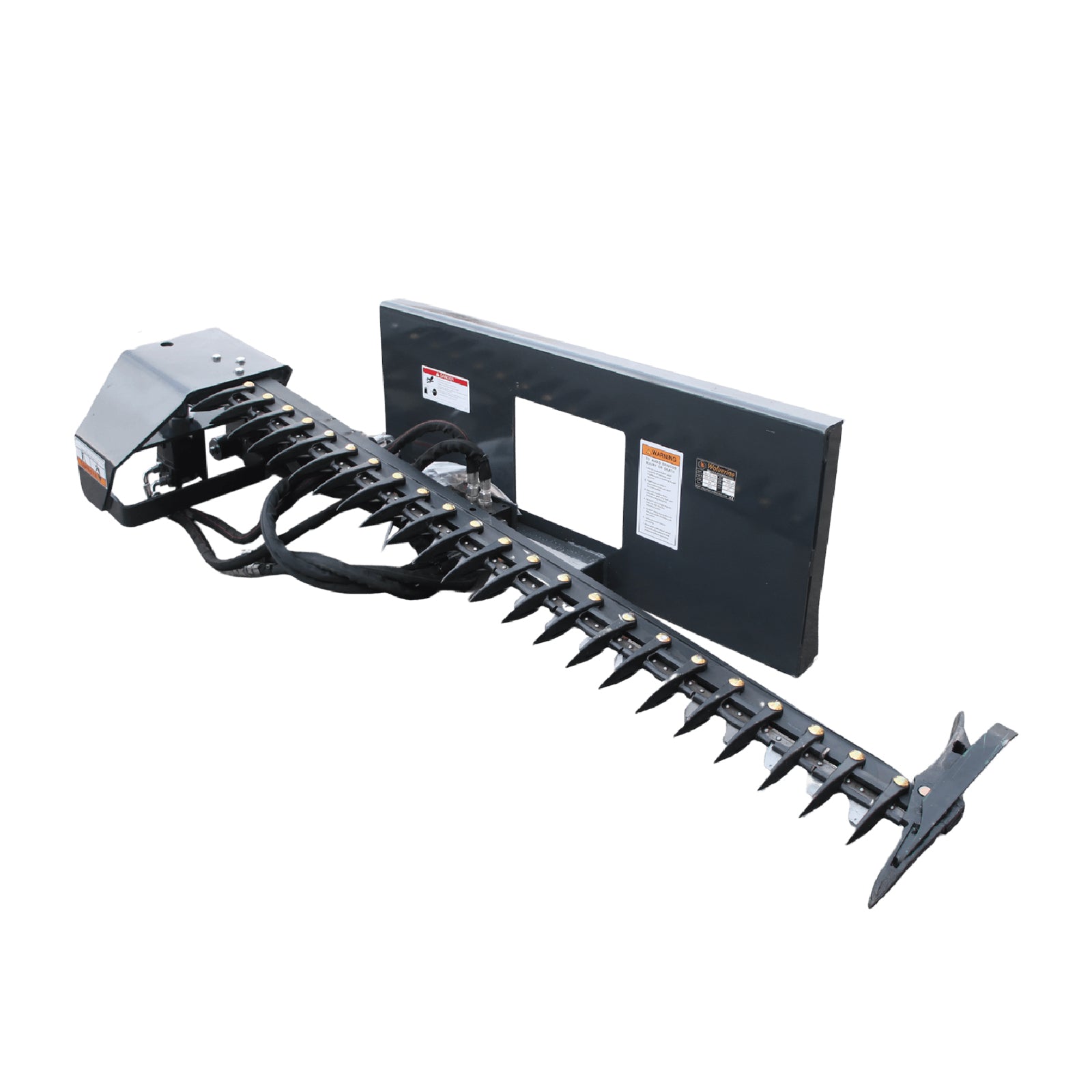
The Wolverine Skid Steer Tiller Attachment gives you a strong and efficient way to prepare your land. It uses 7-inch long tines and covers up to 72 inches in one pass. You can use this tiller for gardens, landscaping, or even construction. It mixes compost or fertilizer into the soil and helps remove weeds. You get a smooth, ready surface for planting or building.
Tip: Always check the area for rocks or debris before using your tiller. This keeps the tines sharp and your tiller working well.
Choose the Right Tiller
Factors to Consider
When you start soil preparation, you need to choose the right tiller for your land. Think about your soil type, plot size, and what you want to achieve. If you have loose soil, a small or medium tiller works well. For clay or compacted soil, you need a rear-tine tiller with more power. If you plan to break new ground, a strong tiller is best.
|
Soil Type |
Recommended Tiller Type |
Power Requirement |
|---|---|---|
|
Loose Soil |
Small/Medium Tiller |
Sufficient for tillage |
|
Clay or Compacted Soil |
Rear-Tine Tiller |
More powerful model needed |
|
Uncultivated Wasteland |
Rear-Tine Tiller |
More powerful model needed |
Plot size also matters for preparation. Small tillers fit gardens up to 4,000 square feet. Medium tillers handle up to a quarter-acre. Large tillers work best for plots over half an acre.
Tip: Always match your tiller to your soil and plot size for the best results.
Types of Tillers for Different Needs
You will find many types of tillers for soil preparation. Cultivators are great for small gardens and weeding. Front-tine tillers suit medium gardens and need more strength to use. Rear-tine tillers are best for tough soil and large areas. Mid-tine tillers combine features for easier handling.
|
Type of Tiller |
Garden Size |
Tilling Width |
Tilling Depth |
Price Range |
|---|---|---|---|---|
|
Cultivator |
<500 sq ft |
6”-16” |
3”-6” |
$100-$300 |
|
Front-Tine Tiller |
500-5,000 sq ft |
12”-24” |
6”-8” |
$300-$600 |
|
Rear-Tine Tiller |
5,000-10,000 sq ft |
16”-36” |
8”-10” |
$600-$6,000 |
|
Mid-Tine Tiller |
500-5,000 sq ft |
12”-24” |
6”-8” |
$400-$800 |
If you need to cover a large area or mix materials for construction, attachments like the Wolverine Skid Steer Tiller make preparation fast and easy. When you compare tiller vs other farm tools, you see that a tiller gives you better soil mixing and faster preparation. Who should use a tiller? Anyone who wants healthy plants, strong roots, or a smooth base for building. Choose the right tiller for your needs, and you will see the difference in your preparation. When you compare tiller vs other farm tools, you get more control and better results. Who should use a tiller? Gardeners, landscapers, and builders all benefit from the right tool.
You have learned how a tiller helps get soil ready for planting. It also helps make a good seedbed. If you have a home vegetable garden or a bigger project, pick the right tiller for your job. Use these steps to get the best results:
-
Take out weeds and grass. 2. Till the soil deep to get it ready for seeds. 3. Put in organic matter and make the soil flat.
The right tiller makes your soil better and makes gardening simpler.
FAQ
How do you use tiller steering for precise control?
You grip the tiller steering handle and move it left or right. This action lets you turn the rudder. Good steering helps you guide your boat smoothly, even in tight spaces.
Can you use a tiller steering system for gardening or soil work?
You use a tiller steering system for boats, not for soil or gardening. For soil, you use a cultivator or a garden tiller. Steering in gardening means guiding the tool, not a rudder.
Prev post

How to Choose the Right Auger Drive with Bit for Your Skid Steer or Excavator
Updated on 15 June 2026
Next post

Wolverine 72 Inch Brush Cutter Performance Review
Updated on 15 June 2026


