




How to Operate a Trencher Safely and Efficiently
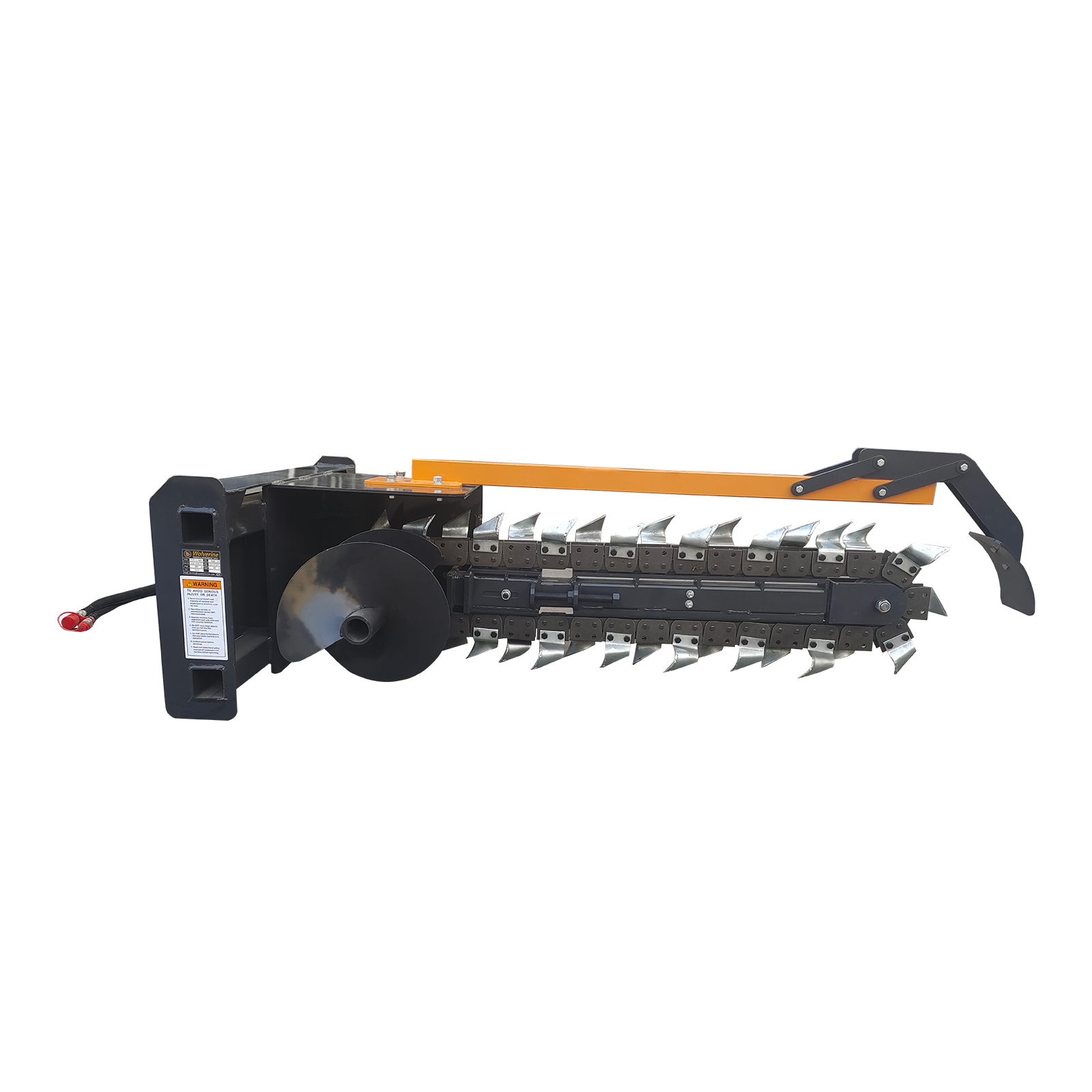
Safe and efficient trencher use begins with good planning. You need to wear the right safety gear. You also need to use the correct technique. A trencher helps you dig narrow and straight trenches. These trenches are for work done underground. People use trenchers for many jobs. Some jobs are making cuts for landscaping, putting in cable, pipes, or fences. You can also use them to cut trenches in asphalt or concrete. They help remove roots too. The Wolverine 48 Inch Hydraulic Trencher is a strong tool. It makes these jobs easier and more exact.
Key Takeaways
- Always wear the right safety gear. This includes hard hats, gloves, and steel-toed boots. These items help protect you when you use a trencher.
- Pick the right type of trencher for your project. Think about how big your project is and what the ground is like. This helps the trencher work well and keeps you safe.
- Do careful safety checks before you start working. Look over the trencher and mark where underground utilities are. This helps stop accidents from happening.
- Set the trench depth and width to fit your project. This helps you not hit underground utilities. It also makes sure your trench looks neat.
- Take care of your trencher often. Check the chain and oil levels. This helps your trencher work well and last longer.
Trencher Basics and Uses
What Is a Trencher
A trencher is a powerful machine that helps you dig long, narrow holes in the ground. You use a trencher when you need to lay pipes, cables, or other buried utilities. The machine works like a heavy-duty chainsaw. It uses a metal chain or wheel with strong steel teeth to cut through dirt, rock, or pavement. Trenchers come in many sizes. Some are large and attach to skid steers, like the Wolverine 48 Inch Hydraulic Trencher. Others are smaller, such as a walk-behind trencher, which you can push by hand.
You can choose from different types of trenchers. Here are some common ones:
- Wheel trenchers
- Chain trenchers
- Micro trenchers
- Portable trenchers
- Walk-behind trencher
Each type of trencher fits a different job. For example, a walk-behind trencher works well for small projects in tight spaces. The Wolverine 48 Inch Hydraulic Trencher handles tough ground and deeper trenches.
Tip: Always match the trencher to your project size and ground type for the best results.
Common Applications
You will find trenchers used in many projects. Here are some ways you might use a walk-behind trencher or a larger trencher:
- Digging trenches for utility lines
- Creating irrigation systems for farms or gardens
- Landscaping and planting rows of crops
- Installing drainage systems to prevent flooding
- Cutting through rock or pavement for road work
- Maintaining road edges
- Excavating for foundation work
A walk-behind trencher is perfect for quick jobs or places where space is tight. Larger trenchers, like the Wolverine 48 Inch Hydraulic Trencher, help you finish big projects faster. You can use trenchers in dirt, rocky soil, or even gravel. This makes them very versatile for many types of work.
When you need to install utilities or work on buried utilities, a trencher saves you time and effort. You get a clean, straight trench every time. With the right trencher, you can handle almost any digging task with confidence.
Choosing the Right Trencher
Types of Trenchers
You will find several types of trenchers on the market. Each type works best for certain jobs and ground conditions. The main types include walk-behind trenchers and ride-on trenchers. Walk-behind trenchers are small and easy to move. You push them by hand, so they fit well in tight spaces or for light work. Ride-on trenchers are bigger and stronger. You sit on these machines, which gives you more control and protection for large or tough projects.
Here is a table to help you compare the main types:
|
Type of Trencher |
Mechanism and Use Case |
|---|---|
|
Walk-Behind Trenchers |
Compact machines for smaller projects, operated manually, ideal for irrigation lines and landscape edging. |
|
Ride-On Trenchers |
Larger, powerful machines for heavy-duty projects, equipped with operator seats for protection and control. |
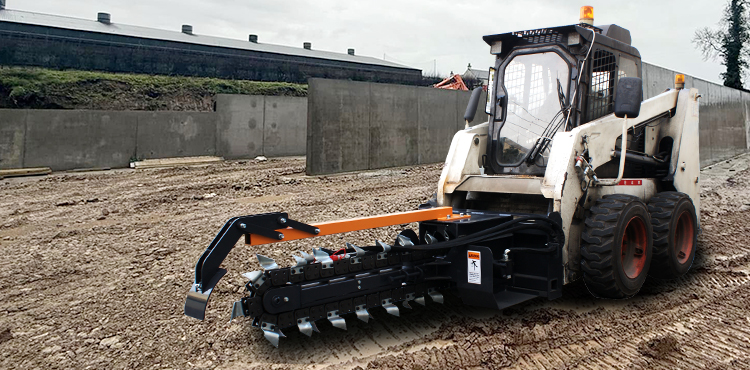
Some trenchers, like the Wolverine 48 Inch Hydraulic Trencher, attach to skid steers. These models give you the power of a ride-on trencher with the flexibility of your existing equipment.
Selecting for Your Project
You need to pick the right trencher for your job. Think about these important factors:
- Ground conditions: Match the horsepower, chain type, and drive system to the soil. Hard or rocky ground needs a strong trencher.
- Project size: Look at how big and long your trench will be. Large projects need trenchers with more power and speed.
- Tires or tracks: Choose based on the stability and traction you need for your work area.
The type of soil, such as clay or sand, can change which trencher works best. Some trenchers have special attachments for different ground types. You also need to know how deep and wide your trench should be. Make sure your trencher can handle the job. Picking the right trencher helps you work faster and safer. You get better results and avoid problems on the job site.
Tip: Always check the specs of your trencher before you start. This helps you avoid delays and keeps your project on track.
Safety Precautions for Trenching
Essential Safety Gear
You must wear the right gear every time you use trenchers. Safety means protecting your whole body. Wear a hard hat to keep your head safe from falling things. Safety glasses keep dust and small pieces out of your eyes. Gloves help you hold the controls and protect your hands from sharp stuff. Steel-toed boots keep your feet safe from heavy tools and rough ground. PPE, or personal protective equipment, is not just a good idea. It is needed to stay safe.
If you do not wear safety gear, you could get hurt badly. Some dangers are cave-ins, getting hit by things, and falling. Loose clothes can get stuck in moving parts. Stay away from pinch points and always keep guards on. Bad air in a trench can make it hard to breathe. Always check for low oxygen or bad gases before going in. You keep yourself and others safe by following these rules.
Tip: Look at your gear before each shift. Get new gear if something is broken.
Safety Checks Before Use
Before using a trencher, check the machine and the area. First, call to find out where underground utilities are. Contact the utility service and make sure all lines are marked. Look at utility maps to help avoid accidents.
Next, look at the trencher chain for any damage. Check the cutting teeth and make sure the chain is tight enough. Test all the controls, including the emergency stop button. Make sure the machine works right. Mark where you will dig and set up a safe area. Talk with your team about safety before starting.
Here is a checklist for what to do before you start:
- Call before digging and check for utility marks.
- Look at the trencher chain and cutting teeth.
- Test the controls and emergency stop.
- Mark the path and set up a safe area.
- Go over safety steps with your team.
You can stop problems by checking for worn teeth, loose chains, and dirt on the chain. These issues can make the trench uneven and cause shaking. You keep the job safe and smooth by doing these checks.
Safe Worksite Setup
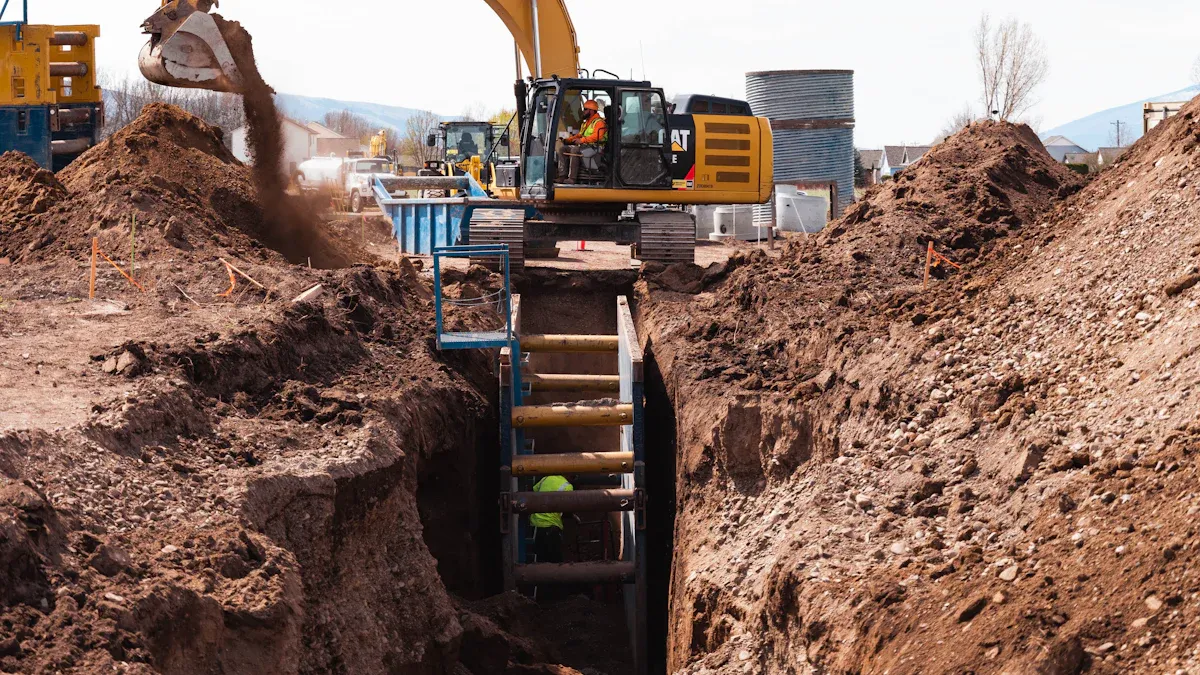
Set up the worksite before you start trenching. Make sure everyone knows how to work safely and what dangers to watch for. Check the soil type and if it is stable. Look for dangers every day. Mark and find all underground utilities before digging. All workers must wear PPE, like hard hats and gloves.
Keep dirt and rocks at least two feet from the trench edge. Use shoring or trench boxes to stop cave-ins. Give workers a safe way in and out if the trench is deeper than four feet. Pick a trained person to watch over the site. Check the trench after things like heavy rain.
Here is a table of legal rules for trenching:
|
Requirement |
Description |
|---|---|
|
Training |
Supervisors must make sure workers know safe work and hazards. |
|
Protective Systems |
Trenches deeper than 5 feet need sloping, shoring, or trench boxes. |
|
Inspections |
A trained person must check the site every day. |
|
Access and Egress |
Ladders or ramps must be within 25 feet for deep trenches. |
|
Hazardous Atmospheres |
Test for bad air before going in and use controls if needed. |
Plan your trenching work before you start. Know the dangers and check the soil first. Keep dirt away from the edge. Give workers easy ways to get in and out. You keep everyone safe by following these steps.
Note: OSHA says a trained person must watch over digging. This person must finish special training for trenching and excavation.
You keep yourself and your team safe by setting up the worksite the right way. You stop cave-ins, getting hit, and falls. You make the job safer for everyone using trenchers.
How to Use a Trencher
Machine Setup
You need to set up your trencher before you start digging. Park the equipment on level ground. Make sure the digging chain or wheel is not engaged. Clear the area around the trencher. Remove any tools, debris, or people from the work zone. Check the overall condition of the machine. Look for damage, leaks, or dirt on the trencher.
Inspect all safety decals. They must be in place and easy to read. Confirm that you have completed the One-Call dig verification. Mark all underground utilities. Walk around the work area. Look for hazards like power lines or tree branches.
Check the engine oil with the dipstick. Look at the hydraulic oil level through the sight glass. Make sure you have enough fuel for the job. If your trencher uses liquid cooling, check the coolant level. Inspect the air filter indicator. Make sure there are no fluid leaks under the machine.
Examine the digging chain or wheel. Check the tension and look for worn or broken teeth. Inspect the drive sprockets and digging boom for cracks or damage. Make sure all guards are in place and secure. Look at the hydraulic hoses. They should not have cracks, leaks, or wear. Check all hydraulic fittings and connections. They must be tight and leak-free.
Test the controls. They should be labeled and in the neutral position. Make sure the operator presence controls work. Test the emergency shutdown. All gauges and warning lights must work. Put on your safety glasses, hard hat, hearing protection, steel-toed boots, gloves, and high-visibility vest. If you expect dust, wear a dust mask.
Tip: A good setup keeps you safe and helps your trencher work better.
Setting Trench Depth
You must set the right trench depth for your project. Look at your plans and measure the required depth and width. The Wolverine 48 Inch Hydraulic Trencher can dig up to 48 inches deep and 8 inches wide. Adjust the boom and chain to match your needs.
Use the controls to set the digging depth. Make sure the chain is tight and the teeth are sharp. If you use a walk-behind trencher, check the depth gauge. For larger trenchers, use the hydraulic controls to set the boom position. Always follow the manufacturer guidelines for your machine.
Check the soil type before you start. Hard or rocky ground may need a slower speed or more passes. Soft soil may let you dig faster. Test the settings on a small section before you start the full trenching process.
Note: Setting the right depth helps you avoid hitting underground utilities and keeps your trench straight.
Operating Steps
You are ready to start the trenching operation. Follow these steps for safe and efficient digging:
- Inspect the trencher and the work site one more time. Make sure all safety gear is on.
- Start the engine. Let it warm up. Check all gauges and warning lights.
- Engage the hydraulic flow. For the Wolverine trencher, set the flow rate between 20 and 30 gallons per minute.
- Lower the digging boom to the starting point. Make sure the chain is not moving yet.
- Engage the digging chain slowly. Watch for smooth movement.
- Begin moving forward along the marked path. Keep a steady speed. Do not rush.
- Watch the spoil removal. The Wolverine trencher moves dirt to the side as you dig. Keep the spoil pile away from the trench edge.
- Check the trench depth and width as you go. Adjust the controls if needed.
- If you use a walk-behind trencher, keep both hands on the handles. Walk at a steady pace. Do not force the machine.
- When you finish the trench, disengage the chain. Raise the boom. Move the trencher away from the trench.
Callout: Always keep bystanders away from the machine during the trenching process.
Monitoring and Troubleshooting
You must watch your trencher during the job. Look for signs of trouble. Common issues can slow you down or damage the machine. Here is a table of problems and solutions:
|
Common Issues |
Recommended Solutions |
|---|---|
|
Worn Sprocket Teeth |
Inspect and replace worn sprockets to prevent slippage and inefficiency. |
|
Degraded Rollers |
Check and replace damaged rollers for smooth chain movement. |
|
Hydraulic System Malfunctions |
Inspect fluid levels, check for leaks, and replace faulty parts. |
|
Engine Starting Issues |
Monitor engine performance and fix abnormal readings right away. |
|
Chain Slippage |
Adjust chain tension before and after use to prevent slippage and wear. |
You should inspect the digging components after each job or every 10 hours of operation. Adjust the chain tension before and after each use. Check the tires or tracks for proper inflation and wear. Monitor the hydraulic fluid levels and look for leaks. Start the engine and watch the gauges for any problems.
If you notice shaking, uneven digging, or poor spoil removal, stop and check the machine. Clean out any dirt or debris. Replace worn teeth or sprockets. Tighten loose chains. Always follow the manufacturer guidelines for repairs and maintenance.
Tip: Regular checks keep your trencher running smoothly and help you finish your trenching process on time.
You now know how to use a trencher safely and efficiently. You can handle walk-behind trencher models or larger machines like the Wolverine 48 Inch Hydraulic Trencher. With these steps, you will get clean, straight trenches for any project, from cutting trenches for cables to digging for water lines.
Finishing and Cleanup
Shutting Down Safely
You need to turn off your trencher the right way. Move the trencher away from the trench. Put the boom down on the ground. Turn off the engine and wait for parts to stop moving. Take out the key and keep it safe. Wait for the hydraulic pressure to go down before you unplug hoses. Always check that no one is near the machine before you leave.
Tip: Never leave a trencher running alone. Always follow the shutdown steps in your manual.
Post-Use Maintenance
Taking care of your trencher helps it last longer. After each job, check your machine. Here are steps you should follow:
- Change the gear oil after 30 hours of hard work, or 50 hours of light work, or after 3 months.
- After the first oil change, change the gear oil every 300 to 500 hours.
- Check the gearbox oil level every 10 hours you use the trencher.
- Get a full service every year from a trained technician.
- Look at the trencher and its parts before each use.
- Make sure all nuts and bolts are tight and not missing.
- Set the trenching depth by following your manual.
- Adjust the chain tension so the trencher works smoothly.
Some people forget to oil or adjust the chain. These mistakes can break the trencher. Spend at least one hour on maintenance after each job. If you skip checks, you might have downtime and pay for repairs.
Site Cleanup
Cleaning up your work site is important for safety and nature. Handle spoil material carefully. Sort spoil before throwing it away to protect the land. Try to reuse materials to cut down on waste. Always follow local rules for spoil disposal. If spoil is contaminated, fill out the right papers and use approved landfills.
- Sort waste before throwing it away.
- Reuse materials to help nature.
- Follow all rules to avoid fines.
- Move bad spoil safely.
Note: A good spoil plan keeps nature safe and your project legal.
Good maintenance and careful cleanup help you finish your trenching job well. You keep your trencher working and protect the environment for future jobs.
When you follow the right steps, your job is safer. You also get better results on your project. Picking the best trencher for your work, like the Wolverine 48 Inch Hydraulic Trencher, helps you dig faster and avoid trouble. Always put on your safety gear. Check your machine before you start. Pick a trencher that fits your soil and trench size. These good habits keep you safe. Your equipment works well. You can finish your work and feel sure about it.
FAQ
How deep can the Wolverine 48 Inch Hydraulic Trencher dig?
You can dig trenches up to 48 inches deep with this trencher. This depth works well for most utility and irrigation projects.
What safety gear should you wear when using a trencher?
You should wear a hard hat, safety glasses, gloves, and steel-toed boots. High-visibility vests and hearing protection also help keep you safe.
Can you use the Wolverine trencher in rocky soil?
Yes, you can use the Wolverine trencher in rocky soil. The strong chain and hydraulic system help you cut through tough ground.
How often should you check the trencher chain?
You should check the chain before and after each use. Look for worn teeth, loose links, or dirt buildup.
What should you do if the trencher stops working during a job?
Stop the machine right away. Check for blockages, low fluid, or loose parts. If you cannot fix it, call a trained technician for help.
Prev post

How to Use a Concrete Breaker Safely and Efficiently
Updated on 13 August 2026
Next post

Pallet Fork Hydraulic Adjustable Makes Work Safer and Easier
Updated on 21 July 2026


